


Nigara Blue/White Steel Corelss Etched Black Damascus Sakimaru Takohiki 330mm w/ Triple Spacer Ebony Handle
Nigara Blue/White Steel Corelss Etched Black Damascus Sakimaru Takohiki 330mm w/ Triple Spacer Ebony Handle 已缺貨,一旦有貨就會出貨。
庫存狀態
此商品無法配送。 只提供門市自取。
-
St Peters, NSW —2 Bishop St, Unit 2, St Peters NSW 2044
與……相得益彰
詳細規格
| 刀型 | 先丸蛸引 / 圓尖刺身刀 |
| 重量 | 333 g 11.75 oz |
| 刃長 | 327 mm .12.87 inch |
| 刃高 | 43 mm .1.69 inch |
| 刀背厚度(根部) | 5.0 mm 0.2 inch |
| 刀背厚度(中段) | 3.8 mm 0.15 inch |
| 刀背厚度(刀尖 1cm 處) | 1.3 mm 0.05 inch |
| 鋼材 | 青紙二號 | 碳鋼 |
| 常見硬度 | 61 至 63 HRC |
| 刀柄 | 三層墊片 黑檀木 |

Nigara has always been a maker that is willing to push the boundary of traditional Japanese forging, and this Sakimaru Yanagiba is a pretty good example of just how far they can take it. Coming from Hirosaki in Aomori Prefecture, where Nigara has a forging heritage stretching back over 350 years, this is a knife that brings together some rather demanding techniques in a single blade. The first thing that catches your eye is the striking Anmon Damascus pattern, with its intricate, flowing layers resembling the contours of a landscape or ripples across water. The dark etched finish brings out the contrast between different layers of steel, creating a level of visual complexity that I find particularly impressive.
What makes this knife truly special, however, is its coreless Damascus construction, combining Aogami #2 (Blue 2) and Shirogami #2 (White 2) carbon steels. Unlike conventional Sanmai construction, where a single hard cutting core is surrounded by softer cladding, the two carbon steels here are forge-welded into alternating layers that extend all the way to the cutting edge. Both are well-regarded Japanese carbon steels, with White 2 known for its fine edge and ease of sharpening, while Blue 2 offers improved wear resistance through its additional alloying elements. Heat-treated to approximately 63–64 HRC, the blade offers the fine cutting edge expected of a high-end Japanese slicer. Of course, the Damascus construction doesn't automatically make it cut better than a conventional blade, but the difficulty of creating such a large, consistent piece of layered carbon steel is precisely what makes it so interesting.
At 330mm, the Sakimaru Yanagiba provides plenty of length for drawing through a large piece of fish in a single continuous stroke, helping preserve the smooth surface and texture of sashimi. Its traditional single-bevel geometry is designed for precise slicing, while the distinctive rounded Sakimaru tip gives it a more understated and elegant appearance compared to the pointed tip of a conventional Yanagiba. The blade also has a substantial spine, giving it a reassuring sense of rigidity and presence in hand. Completing the knife is an octagonal ebony handle with triple decorative spacers, a fitting match for the complex Damascus blade.
This is certainly not an everyday kitchen knife, nor is it intended to be. The fully reactive carbon steel construction requires proper care, and maintaining the appearance of the etched finish takes some attention. However, for an experienced sushi chef or a collector who appreciates the more artistic side of Japanese forging, this is a particularly interesting piece from Nigara. It demonstrates how traditional blade-making techniques can be taken beyond their practical purpose and turned into something genuinely special.
- 不要切硬物!日本刀比較脆,砍骨頭是絕對不可以的!
- 使用後請以中性清潔劑清洗,並擦乾;
- 請不要用洗碗機清洗刀具,這會損傷木柄;
- 注意不要讓刀長時間放在熱源附近;
- 其實用鈍刀比用利刀危險得多!
- 日本廚刀最好定期使用磨刀石研磨。
- 若是碳鋼刀,長期存放前請上油防鏽。
-

刀型:先丸蛸引
圓尖刺身刀
向左滑動查看更多 >>
-
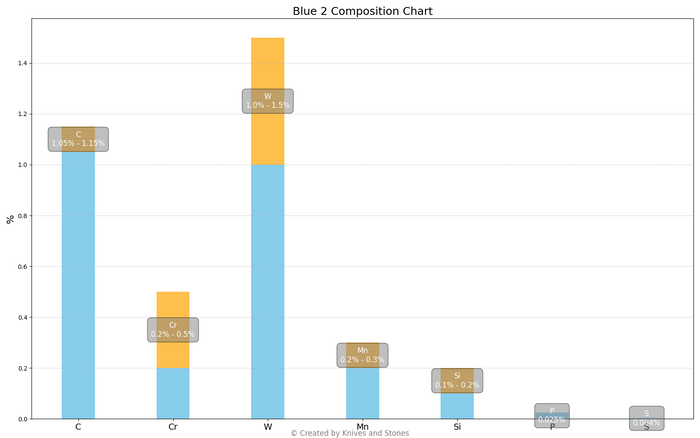
鋼材:青紙二號
製造商:
材質特性:碳鋼
常見硬度:61 至 63 HRC
<< 滑動查看更多 >>
-

握柄規格
輪廓:八角柄
材質:
<< 滑動查看更多


