Crows Nest store now open from Friday to Tuesday, in store specials!

Hatsukokoro  |  SKU: NK-HAYA-ATS34DM-BU175

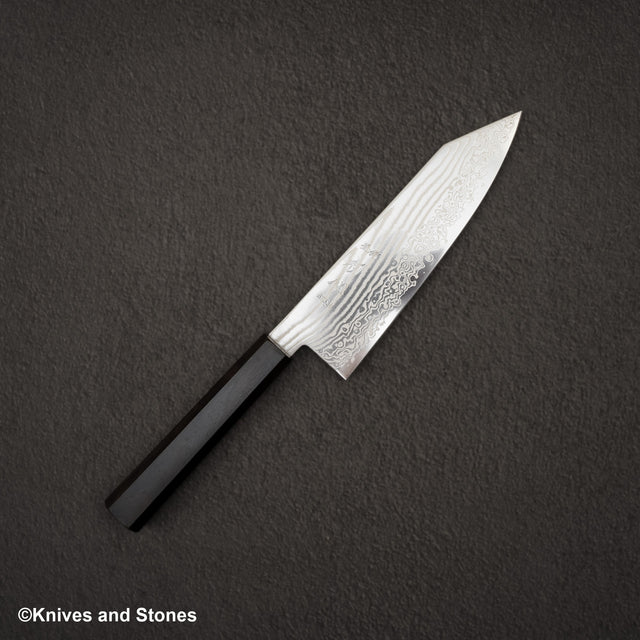
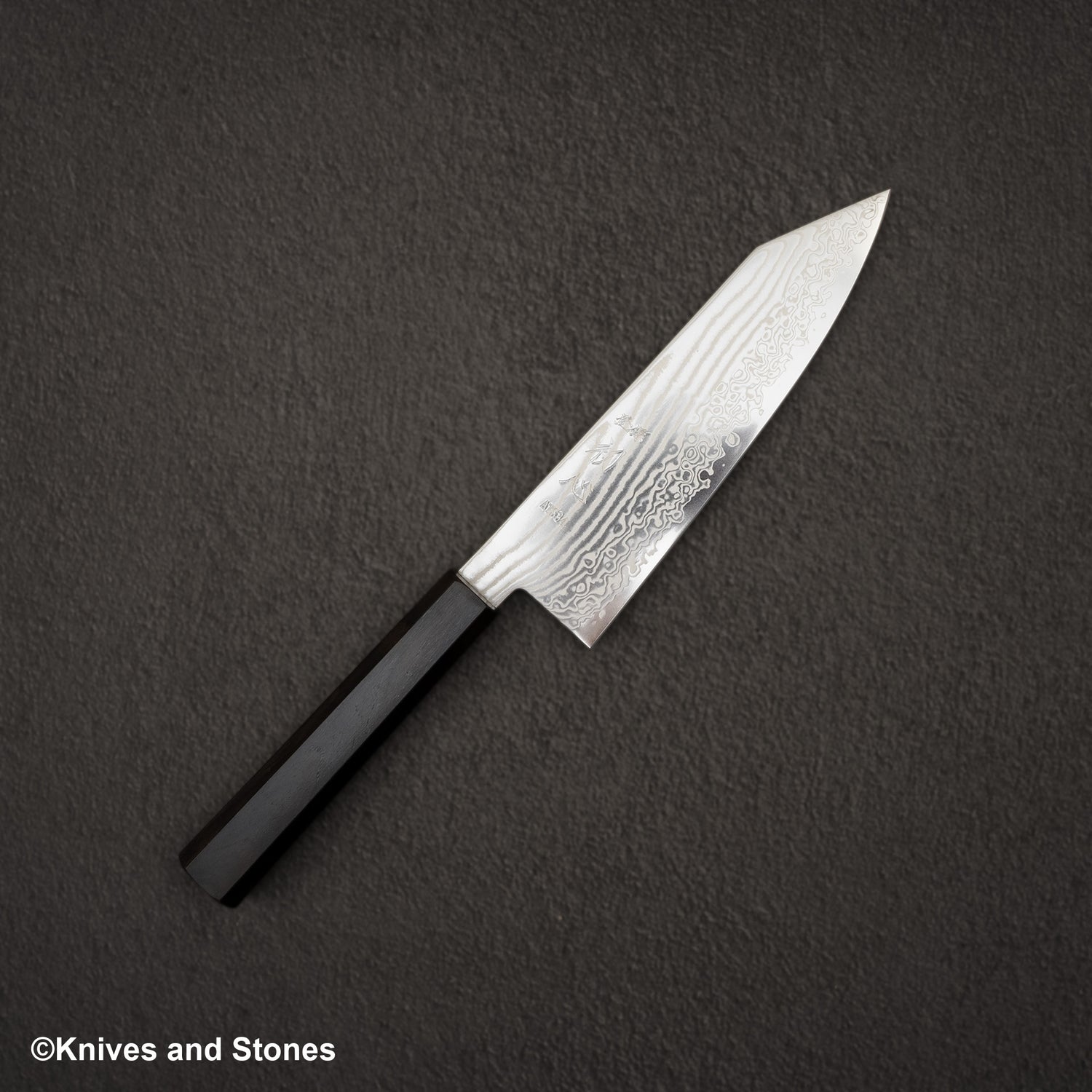
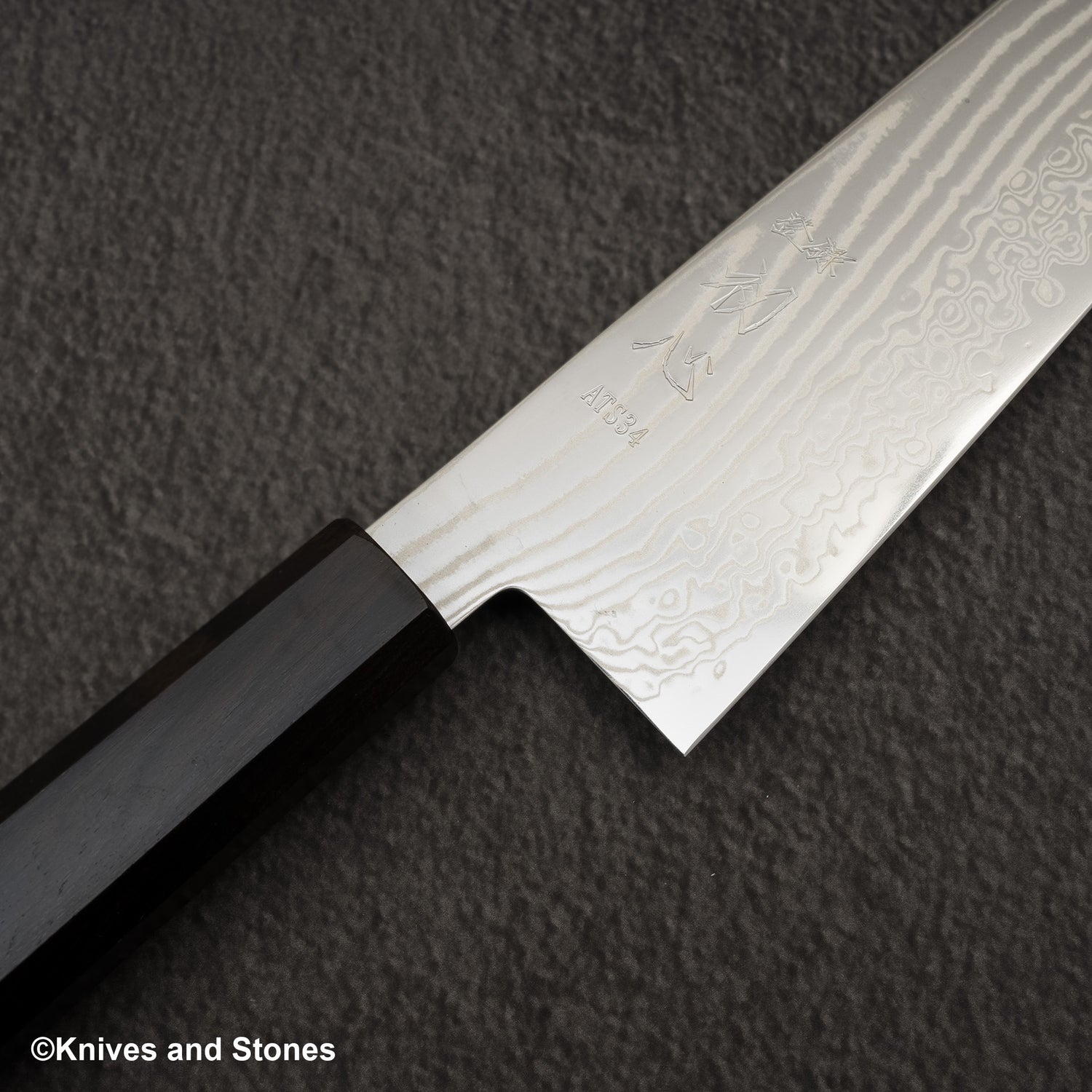
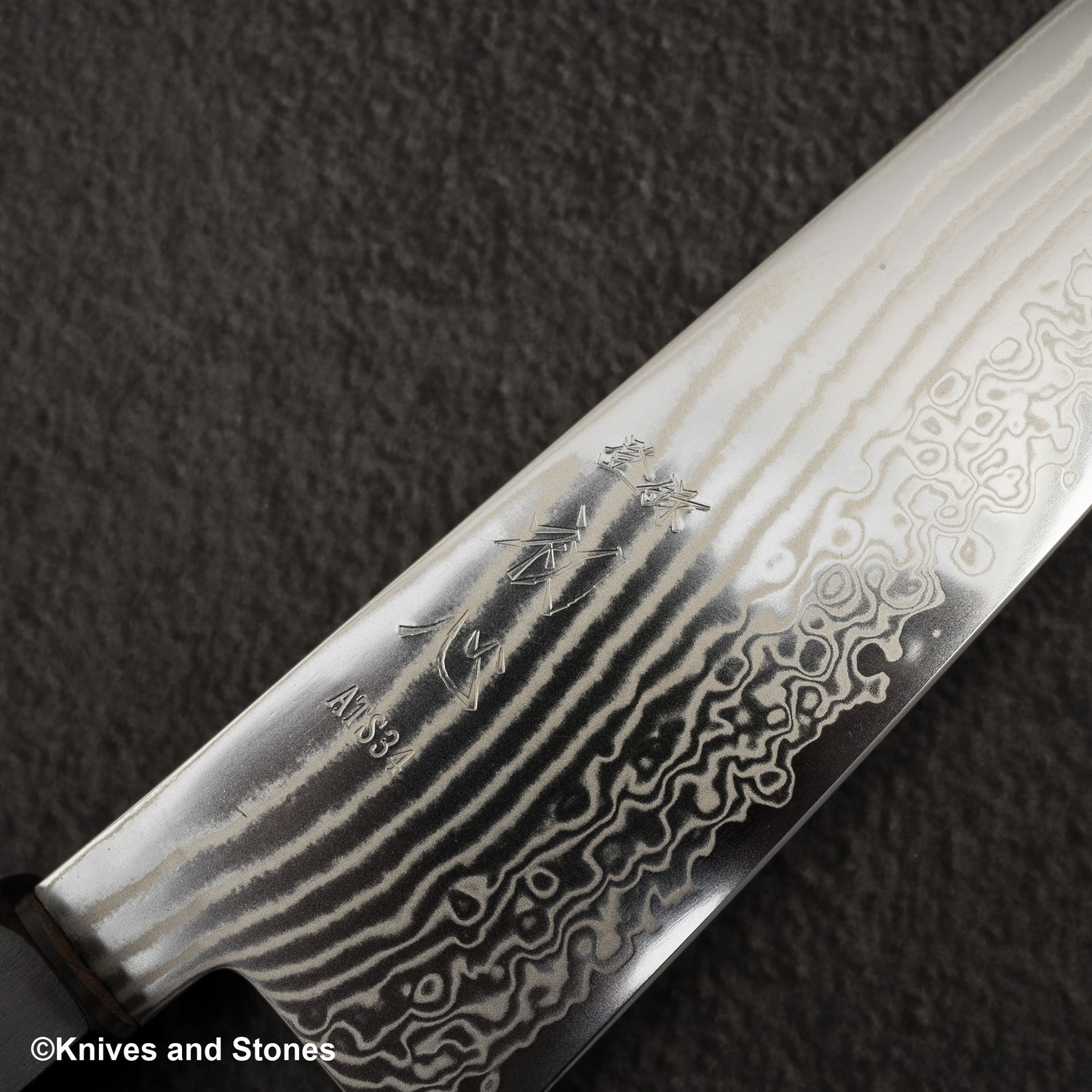
Hatsukokoro Hayabusa ATS34 Damascus Bunka 180mm

Regular price $7,628.00

Add a saya or K&S Knife Roll to receive $20 bundle discount!

Hatsukokoro Hayabusa ATS34 Damascus
Bunka
Double Bevel
Weight 147 g | 5.2 oz
Edge Length 173 mm | 6 13/16″
Heel Height 48 mm | 1 57/64″
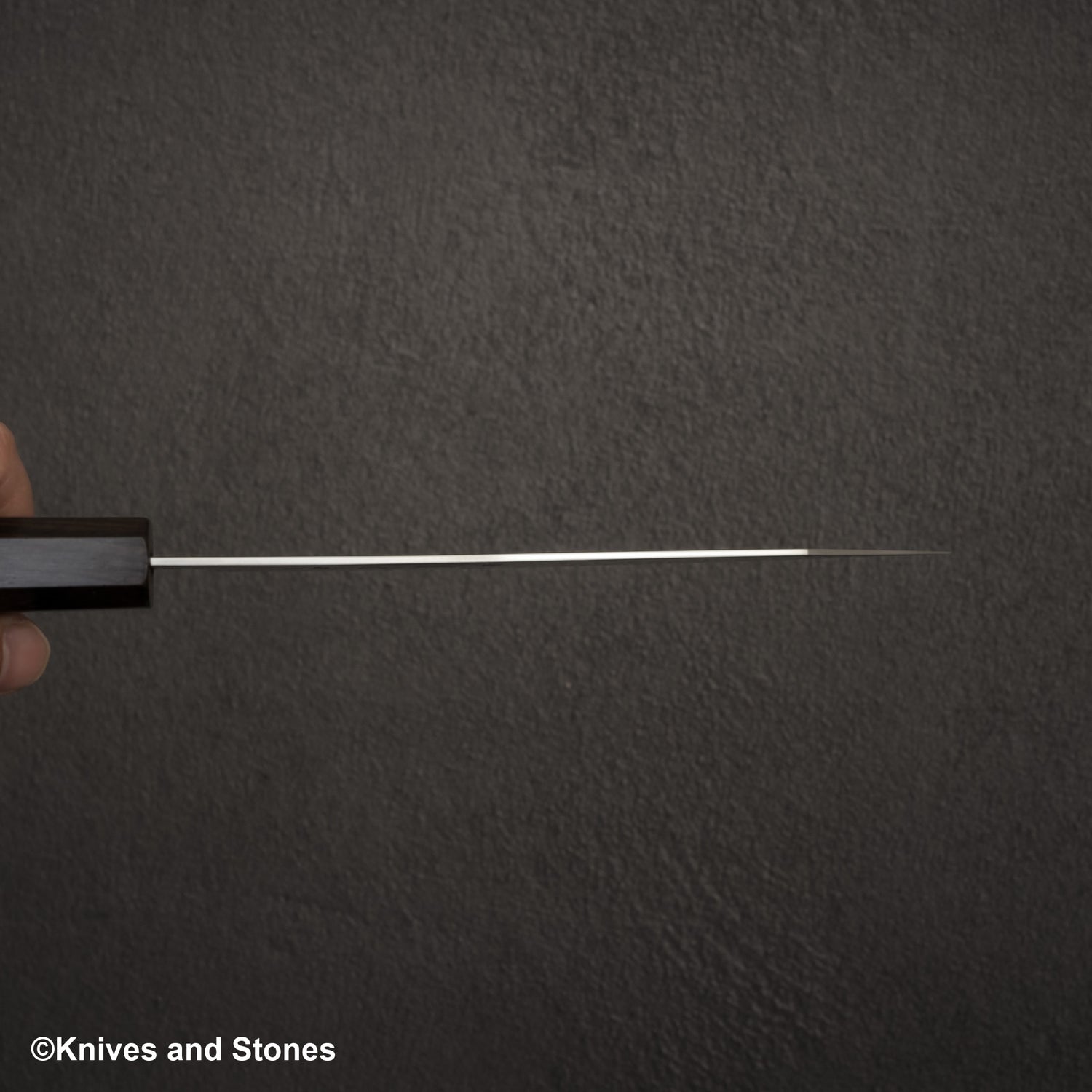
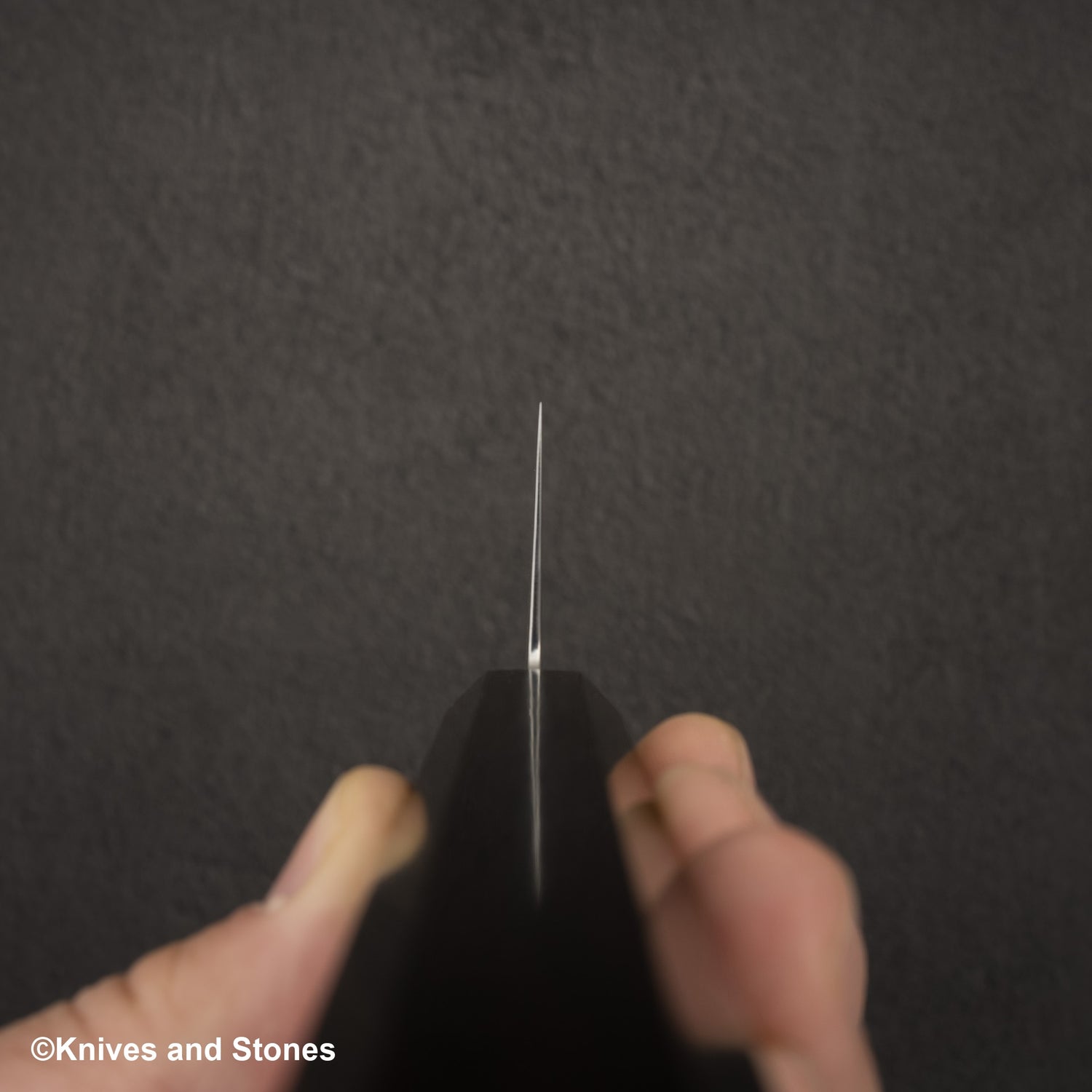
Width @ Heel 2.3 mm | 3/32″
Width @ Mid 2.3 mm | 3/32″
Width @ 1cm from Tip 0.7 mm | 1/32″
Steel ATS34 | Stainless
Blade Construction Sanmai - Stainless Damascus Clad
Hardness (HRC) 60 - 61
Surface Finish Migaki
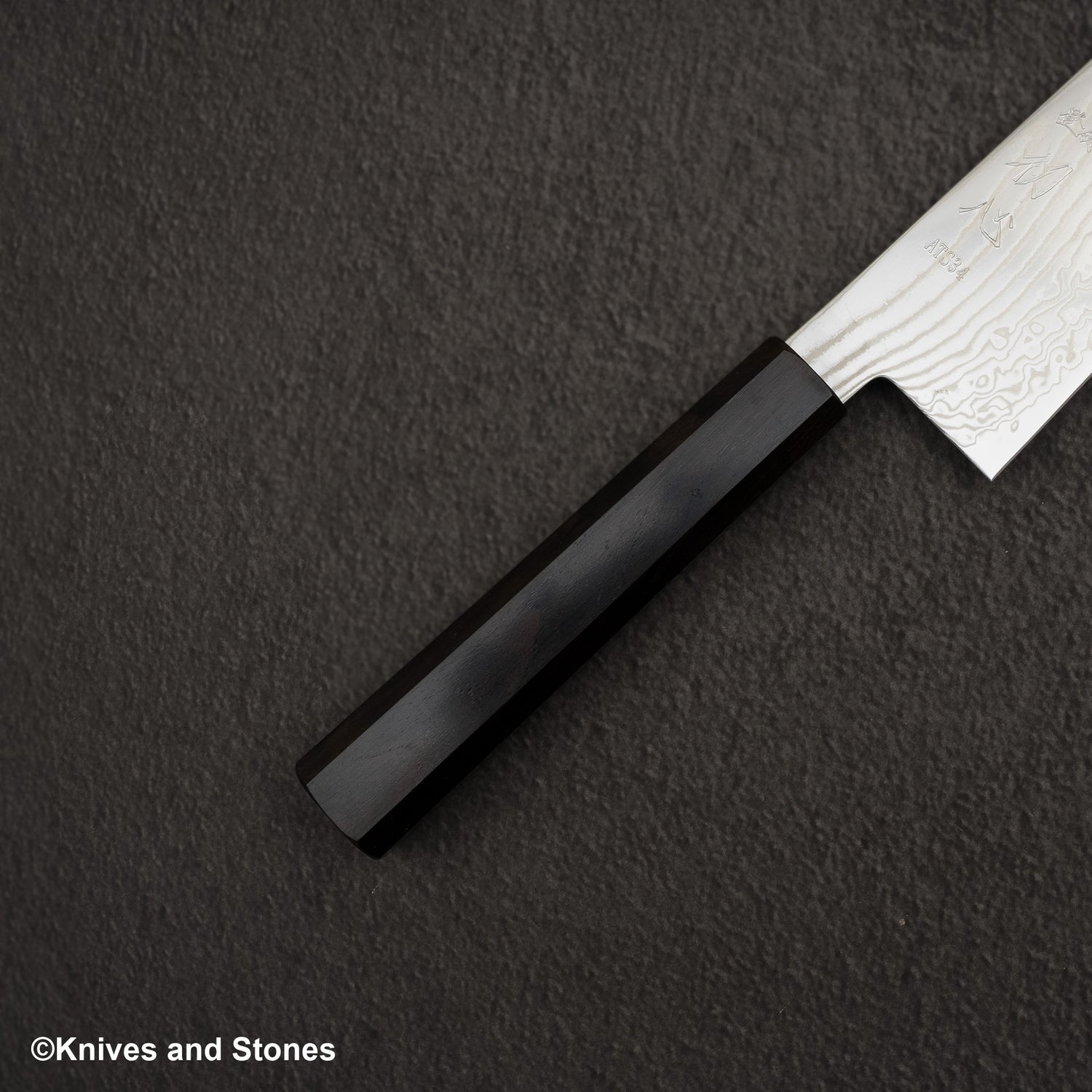
Handle Octagonal Ebony
Region Hyogo
Best for
  • Enthusiasts
  • Pro chefs
  • Free shipping for knives over AU$200 Australia wide.
  • World-wide shipping via DHL Express, 3 to 5 days.


The Hatsukokoro Hayabusa ATS34 Damascus series showcases premium ATS-34 steel, an improved version of 440C with added molybdenum, offering exceptional hardness, edge retention, and durability. Identical to the classic 154CM steel, this high-performance material ensures a razor-sharp edge with long-lasting sharpness.

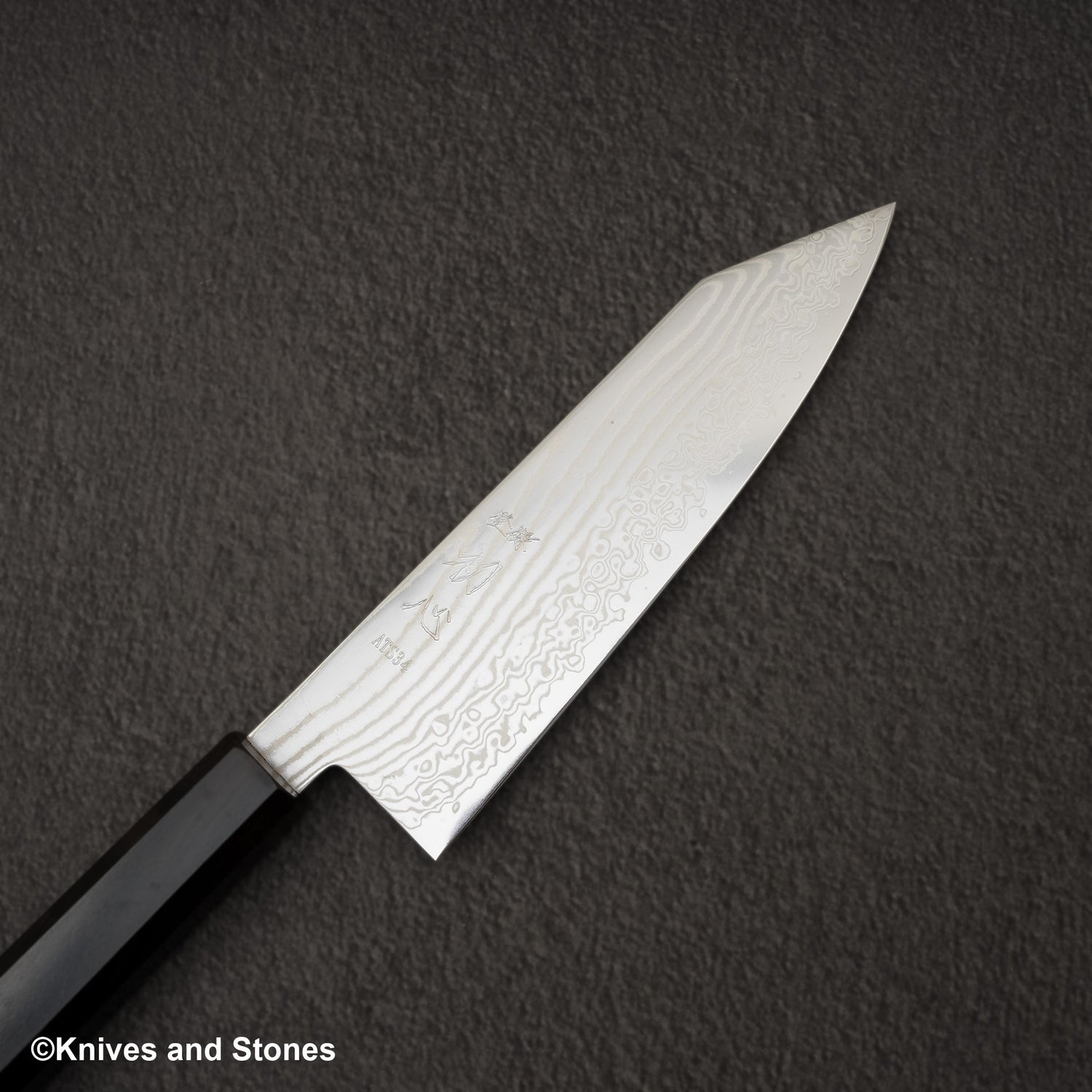
The blade features a beautifully polished Damascus pattern with a high migaki finish, enhancing both aesthetics and smooth cutting performance. The ATS34 Hayabusa have a slightly different profile than other members from the Hayabusa family, their curved tip provided a more rounded "belly", making it much easier to perform rock cutting with these knives.

With a perfect blend of premium steel, refined craftsmanship, and a sleek design, the Hayabusa ATS34 Damascus series is ideal for professionals and enthusiasts seeking both beauty and performance in a Japanese kitchen knife.

Pros Cons
  • Great artistic
  • Easy to look after
  • Excellent performance
  • Relatively hard to sharpen
Care Instruction
  1. Don't cut hard things! Japanese knives are brittle so bone hacking is a NO NO!
  2. Wash with neutral detergent after use, and wipe dry;
  3. Please don't wash knife with dishwasher, it will damage the wood handle;
  4. Be careful not to leave the knife close to a heat source for a long time;
  5. It is a lot more dangerous to cut with a blunt knife than a sharp knife!
  6. It is best to sharpen a Japanese knife regularly on a waterstone.

Hatsukokoro

Rising star of the industry

Hatsukokoro as a brand works extensively with the Japanese kitchen knife industry. Through collaboration with makers and manufacturers across the Japan, they’ve designed and created a huge collection of different knives, covering every possible price range while having a great value in many of their product lines. Their capabilities to incorporate resources have built a strong relation with knife makers, and more and more are happy to send their knives down to Amagasaki and have them delivered across the world.

“The rapidly expanding new brand in the industry based in Amagasaki, offering great varieties by working close with different makers across entire Japan to the entire globe while innovating in product design and metal fabrication.”

Est. 2019 | 令和元年
Known for Unrivalled product availability, exceptional performance at a highly competitive price.
Website handk.co Instagram @handk_official Read more about Hatsukokoro
Hatsukokoro — Hyogo
Profile: Bunka
Profile

Bunka

A pointier version of the Santoku. The Bunka knife features a distinctive profile with a straighter edge and a pointed tip, making it versatile for a variety of kitchen tasks. Its design is a blend of the Santoku and K-tip Gyuto knives, with a blade length typically around 165mm to 180mm. The Bunka is particularly adept at slicing, dicing, and chopping fruits, vegetables, and meats, thanks to the precision and control enabled by its length and flat edge profile. The angled tip, also known as a reverse tanto, provides additional precision for intricate tasks such as julienning. With its unique shape and functionality, the Bunka stands out as a multifunctional knife in the culinary world.
Composition

ATS34 Element Composition

Compare with
    ATS34
    13.5% 10.1% 6.8% 3.4% 0
    C Carbon 1.0%
    Primary hardening element. Raises hardness and wear resistance — but too much increases brittleness and corrosion susceptibility. As a reference: German 1.4112 (~0.5%) sits at the low end; VG-10 (~1.0%) is a common mid-range; SG2 (1.25–1.45%) and ZDP-189 (~3.0%) represent high and extreme ends respectively.
    C
    1.0%
    Cr Chromium 13.5%
    Raises corrosion resistance; 13%+ qualifies steel as stainless. Also improves hardenability and wear resistance. In kitchen use, higher chromium levels contribute to a slight drag or sticking sensation when cutting — a trade-off for the rust resistance it provides.
    Cr
    13.5%
    V Vanadium 0.4%
    Forms extremely hard carbides for superior edge retention. Also refines grain structure, improving toughness.
    V
    0.4%
    Mo Molybdenum 4.0%
    Improves hardenability and toughness. Boosts corrosion resistance and helps the steel hold hardness under heat.
    Mo
    4.0%
    Mn Manganese 0.4%
    Aids hardenability and strength. Acts as a deoxidiser during smelting. Excess can reduce toughness.
    Mn
    0.4%
    Si Silicon 0.5%
    Strengthens the steel matrix and acts as a deoxidiser. Improves hardness and resistance to oxidation.
    Si
    0.5%
    P Phosphorus 0.03%
    Impurity from the smelting process. Even small amounts cause brittleness — steelmakers keep this as low as possible.
    P
    0.03%
    S Sulfur 0.03%
    Impurity that reduces toughness and promotes brittleness. Intentionally added only in free-machining steels.
    S
    0.03%
    C — Carbon Cr — Chromium V — Vanadium Mo — Molybdenum Mn — Manganese Si — Silicon P — Phosphorus S — Sulfur
    Hardness 60–61 HRC
    555759616365+
    Steel
    ATS34
    Category
    Stainless
    Manufacturer
    Hitachi Special Steel, Japan 🇯🇵
    Hardness
    60–61 HRC
    Steel

    ATS34

    • Manufacturer
      • Hitachi Special Steel, Japan
    • Nature Stainless
    • Hardness60–61 HRC
    The ATS-34 steel, manufacturerd by Hitachi Special Steel, is the Japanese equivalent of the 154CM, famous for its toughness, corrosion-resistance and "high-speed" properties.

    The 154CM was originally designed for jet engine turbine use, however it found its fame in the knife world after legendary knife maker Bob Loveless started using them for his hunters. In the years after that, the 154CM / ATS34 was considered as the top of the line steel by many makers and is still considered so. The high-manganese alloys provides a favorable combination and balance of properties like ductility, formability, strain hardening, and strength.
    Construction: Sanmai - Stainless Damascus Clad
    Construction

    Sanmai - Stainless Damascus Clad

    Sanmai(Three-Piece) is a common construction for double bevel knives where two pieces of softer cladding steel are forgewelded to each side of a harder core steel. The harder but more brittle core steel will form the hard cutting edge after heat treating, and the softer cladding will support the core to increase the overall strength of the blade.

    Damascus Sanmai utilize damascus steel as the cladding material for the Sanmai construction, which adds aesthetic feature to the blade. On the Kitchen knives with stainless core steel, the damascus cladding will be stainless, this means they will also protect the carbon/semi-stainless core from rusting/discolouration.

    The soft cladding enables the thinning process to be a lot easier than a honyaki or monosteel construction. However, when the cladding is made of damascus, whether etched, polished or mirror polished, the thinning process will take a toll on the cladding, meaning the damascus won't look the same as when it was taken out of the box.

    Finish: Migaki
    Finish

    Migaki

    "Migaki" means "polished" or "shined" in Japanese, The term "Migaki finish" in the context of Japanese kitchen knives indeed does not exclusively refer to a mirror polish but encompasses a broader range of polished finishes that can vary from semi-gloss to a more refined, subtle sheen, rather than a highly reflective surface. The primary goal of a Migaki finish is to enhance the knife's functionality and aesthetic appeal, focusing on a smooth finish that improves resistance to corrosion and minimizes drag during cutting, rather than achieving a purely mirror-like appearance.

    Handle
    Handle

    Handle Specs

    • Profile Octagonal WA
    • Material
      • Ebony

    This handle, crafted from a single piece of ebony, exemplifies minimalist elegance and functional design. Its unique octagonal shape, featuring a subtle taper, offers a comfortable grip and a visually appealing geometric profile. The ebony wood, known for its deep, rich color and durability, has been meticulously milled from a single block, ensuring a seamless construction that highlights the wood's natural beauty and grain. The handle's surface has been highly polished, achieving a glossy finish that not only enhances the ebony's luxurious dark hue but also provides a smooth, tactile experience for the user. This design choice reflects a minimalist approach, focusing on simplicity, quality, and usability. The combination of the octagonal shape with the taper adds a modern twist to the classic material, making it a standout piece that blends traditional craftsmanship with contemporary aesthetics.

    1 / 5

    You May Also Like