On the craft
Understanding Nashiji
The "nashiji finish" is a term derived from traditional Japanese craftsmanship, specifically applied to the surface finish of Japanese kitchen knives. The word "nashiji" itself translates to "pear skin," which is a direct reference to the texture and appearance this finish aims to replicate—specifically, the rough, speckled skin of the Asian pear known as "nashi" in Japan. This comparison not only speaks to the tactile quality of the finish but also to its aesthetic, offering a subtle, natural beauty to the knife.
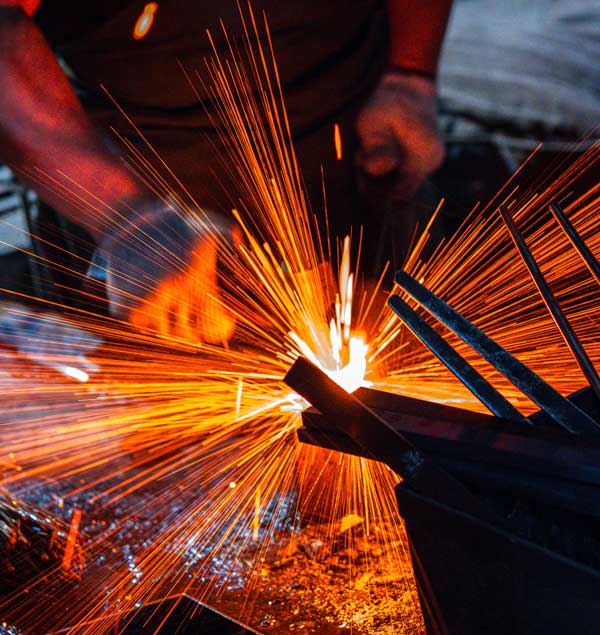
Achieving the nashiji finish involves a meticulous process that blends both traditional hammering techniques with modern metalworking practices. Artisans carefully hammer the blade's surface, creating a series of indents that are both intentional and random, mirroring the natural variability found in pear skin. Following the hammering, a specialized polishing process is employed, which smoothens the peaks of the hammered texture while leaving the valleys relatively untouched. This results in a blade that boasts a unique, semi-rough surface with an irregular pattern that is pleasing to the touch and the eye.
From a functional perspective, the nashiji finish isn't merely decorative. The textured surface offers practical culinary benefits, primarily by reducing the knife's surface area in contact with food. This minimization of contact reduces suction and sticking, making slicing smoother and facilitating food release from the blade. Such features are particularly advantageous when working with sticky or wet ingredients, improving the efficiency and ease of cutting tasks.
This finish is commonly found on a variety of traditional Japanese knife types, including santokus, nakiris, and gyutos. Each knife, depending on its specific use, from vegetable preparation to multipurpose kitchen tasks, benefits from the nashiji finish not just aesthetically but functionally as well.