PRAHRAN STORE NOW OPEN · THU–MON · 10AM–6PM

Nigara  |  SKU: NG-B2HON-SAKIFUJISP1

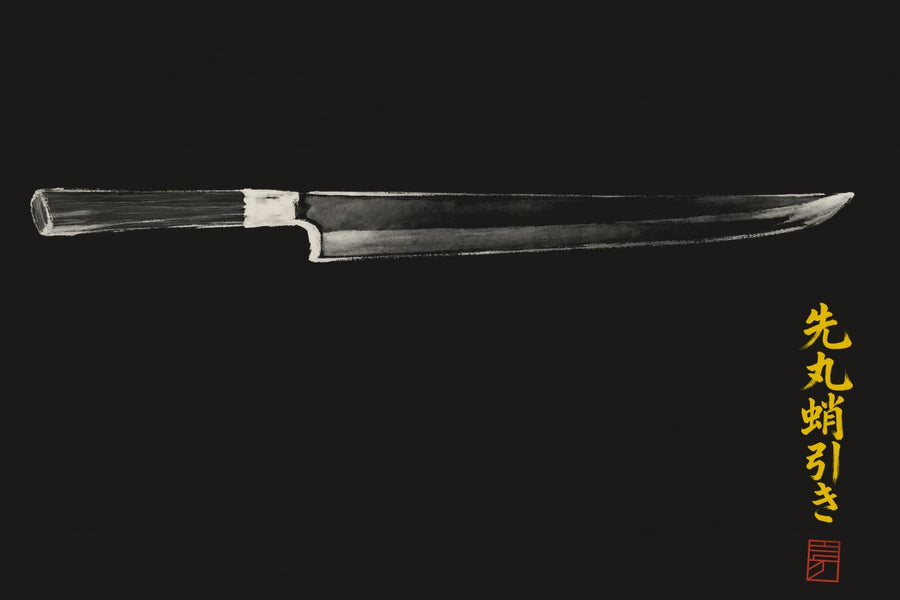
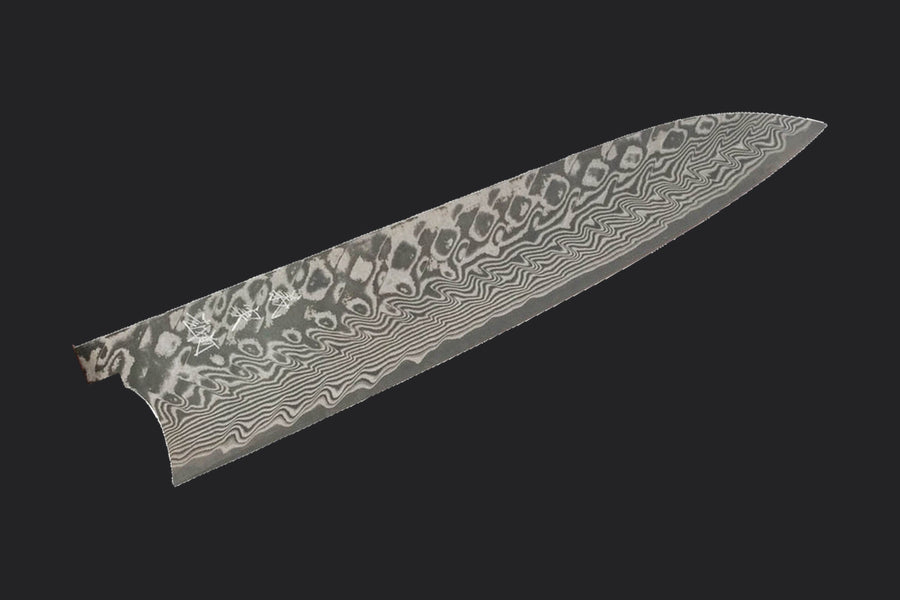
Nigara Blue 2 Honyaki Mt Fuji Hamon Sakimaru 300mm

Regular price $86,829.00

IMPORTANT: Carbon steel knives can rust or patina quickly if not cared for properly. They require regular cleaning, drying, and oiling. If you are unfamiliar with carbon steel maintenance, we recommend choosing a stainless steel option instead.

Sold out right now

Leave your email and we’ll send one message the moment it’s back in stock.

One email, no marketing. Privacy policy.

Availability

  • St Peters, NSW —
    2 Bishop St, Unit 2, St Peters NSW 2044
  • Crows Nest, NSW —
    107 West St, Shop 1, Crows Nest NSW 2065
    Pickup only
  • Prahran, VIC —
    180 Commercial Road, Shop 1, Prahran VIC 3181
    Pickup only
Detailed Specifications
Line Nigara Honyaki
Profile Sakimaru Takohiki / Round-tip sashimi knife
Bevel Type Single Bevel
Weight 280 g | 9.9 oz
Edge Length 286 mm | 11 17/64″
Heel Height 41 mm | 1 39/64″
Width @ Heel 3.8 mm | 5/32″
Width @ Mid 3.6 mm | 9/64″
Width @ 1cm from Tip 1.5 mm | 1/16″
Steel Blue 2 / Aogami #2 | Carbon
Blade Construction Honyaki
Hardness (HRC) 61 - 63
Surface Finish Etched
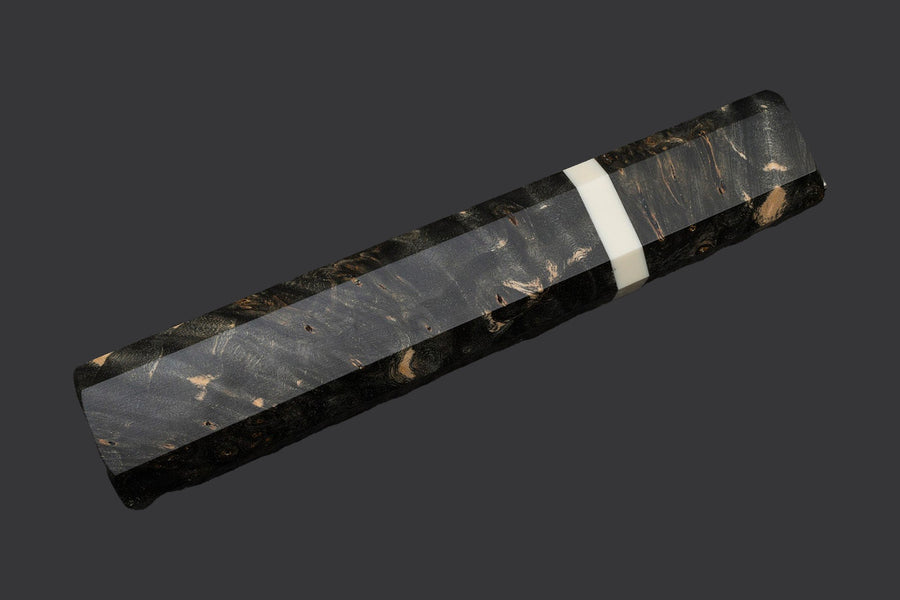
Handle Octagonal Birch Burl with Spacer
Region Aomori
Best for
  • Collectors
  • Enthusiasts
  • Free shipping for knives over AU$200 Australia wide.
  • World-wide shipping via DHL Express, 3 to 5 days.


The Nigara Honyaki line, with their stunning etched finish and dynamic Hamon, finally start to arrive the shop in batches. These blades is another step up from the very popular Anmon(暗紋) line in terms of artistic value, which also put up a strong statement that Nigara shall glorify its 350 years of extensive sword forging history with this highly skill demanding practical art.

The Honyaki line from Nigara is made with Hitachi White 1 or Blue 2 steel, these are the more pure carbon steels with the Blue 2 have a small amount of alloy content introduced to it, they are characterised by the ablility of getting a very keen edge, hold sharp for an extensive amount of time and be very easy to sharpen at the same time. Both steel belongs to the Hitach Yasugi Carbon Steel family, which is composed of different grade carbon steel, originally developed to replace the scarce Tamahagane - the steel smelted in a acient way to make all kinds of traditional edged tools, including the Katana.

Once a regionally famous maker of Katana, Nigara as a brand have been passing down this craft for over 350 years, now headed by the 8th gen bladesmith Tsuyoshi Yoshizawa(吉澤 剛), the brand is making a comeback to this traditional skill with their Honyaki line, throught some remarkable artistic features that are reminiscent to traditionally forged Katana.

The Honyaki knives are made in very similar ways to the katana, both involves extensive forging and differential hardening using clay. The shape and quality of Hamon(波紋, wavy pattern formed on the boundary of hardened edge and softer spine through applied clay)appeared on the Katana and Honyaki knives can often differentiate their artistic values. Often the kitchen knives are made with very regular pattern, with less dynamic look compare with Hamons found on Katana. However, some of the Nigara's Honyaki have clearly departed from this way and created much more dynamic Hamons with features like strong Nioi and Boushi that are very comparable with Katana. In terms of how wild the Hamon is, maybe Hashimoto's Honyaki is the only thing that is on par with these knives.

Another feature that is unique to the Katana is the pattern formed when the Tamahagane are folded over and over, this process distribute the impurities and alloys evenly across the blade to obtain a uniform strength across the blade, as the result, different elements are stretched out along with the steel and lead to various types of patterns.

Forged with a homogenous steel coming out of modern factory, the Nigara Honyaki blades requires no folding to gain the uniformity, but as they are hand forged into shape out of a billet, they need to get heated over and over under certain temperature, so they don't lose carbon content through oxidation. In this heating-forging process, the alloy content would precipitate out, as they get stretched with the forging of the blade, they will form pattern that is quite similar to the folding pattern on the Katana. This is called alloy banding, a phenomenon that can be found on only forged, not stamped blades.

The alloy banding marks the intense labour and remarkable skill behind the creation of the blade and add another layer of texture onto the blade. The Nigara Honyaki line, with all the blades receive a etching finish, reveals the banding with a high contrast so they can be observed easily in all kinds of lighting condition. Combines with the unique Hamon, I can seeNigara's a intent to proudly show the skill they pocessed over the brand's long history.

These precious blades will be sold as standalone items, please refer to the specific item for the spec and pictures.

Pros Cons
  • Highly collectable
  • Great artistic
  • Excellent fit and finish
  • High budget
  • Need extra care
Care Instruction
  1. Don't cut hard things! Japanese knives are brittle so bone hacking is a NO NO!
  2. Wash with neutral detergent after use, and wipe dry;
  3. Please don't wash knife with dishwasher, it will damage the wood handle;
  4. Be careful not to leave the knife close to a heat source for a long time;
  5. It is a lot more dangerous to cut with a blunt knife than a sharp knife!
  6. It is best to sharpen a Japanese knife regularly on a waterstone.
  7. Oil the (carbon) knife if storing for an extended period of time to prevent rust.

Nigara

Hirosaki sword and knife artisan

Based in the small yet beautiful city of Hirosaki in the northern prefecture of  Aomori, Nigara hamono has been making samurai swords for 350 yearas, with master Kunitoshi  (國俊) being one of the most famous sword smith in his generation. Now headed by the 8th generation mastersmith Go Yoshizawa (吉澤 剛) supported by his father Toshiju Yoshizawa (吉澤 俊寿), Nigara is becoming very popular thanks of its exquisite forging skills and second to none quality control. 

“Katana making family in Aomori carrying their linage with creativity and innovation, known for the striking "Anmon" design and striking high-end, hand forged damascus items”

Est. 1949 | 昭和24年
Known for Glamorous and innovative knife design, inherited forging skills.
Website nigaraknives.com Read more about Nigara
Nigara — Aomori

Knife details

Frequently asked questions

Will a carbon steel knife rust, and how do I look after it?

Yes - carbon steels such as Aogami (Blue) and Shirogami (White) react with food, moisture, and acids. Left wet they can spot or rust, and with normal use they develop a grey-blue patina. That patina is expected and is part of owning a carbon-steel knife; it is not damage.

Care is simple once it becomes habit: hand-wash in warm water, never leave the knife soaking or sitting in a wet sink, and dry it thoroughly the moment you finish. Avoid the dishwasher entirely, and wipe the blade between tasks when you are cutting acidic foods like citrus, tomato, or onion.

If the knife will sit unused for a while, wipe a very thin film of food-safe camellia oil (or a neutral mineral oil) onto the blade before storing it. A light surface rust spot lifts easily with a rust eraser or a little Bar Keepers Friend; sustained neglect is the only thing to really avoid.

Carbon steel rewards this small amount of attention with a keener edge and easier sharpening than most stainless. If you would rather not think about maintenance at all, ask us about stainless or stainless-clad options instead.

Blue 2 vs White 2 steel for Japanese kitchen knives

Blue 2 (Aogami #2) and White 2 (Shirogami #2) are both Hitachi high-carbon steels, but Blue 2 adds chromium and tungsten to White 2’s base, giving it noticeably better edge retention while keeping similar sharpness. The trade-off is that Blue 2 is slightly more abrasion-resistant during sharpening, so it takes a little more time to refine an edge, whereas White 2 is easier to sharpen and can take a finer, more aggressive edge but dulls faster in use.

You May Also Like