


Exotic: Genkai Masakuni (玄海正國) Mizu-Honyaki Maguro Kiri 450mm Mt. Fuji Hamon
Exotic: Genkai Masakuni (玄海正國) Mizu-Honyaki Maguro Kiri 450mm Mt. Fuji Hamon is backordered and will ship as soon as it is back in stock.
Availability
Delivery unavailable for this item. Available for pickup at Crows Nest only.
-
St Peters —2 Bishop St Unit 2 St Peters NSW 2044
-
Crows Nest —107 West St, Crows Nest NSW 2065Pickup only
Detailed Specifications
| Line | Genkai Honayki |
| Profile | Yanagiba |
| Bevel Type | Single Bevel |
| Weight | 445 g 15.7 oz |
| Edge Length | 434 mm .17.09 inch |
| Heel Height | 42 mm .1.65 inch |
| Width @ Spine | 4.6 mm 0.18 inch |
| Width @ Mid | 3.6 mm 0.14 inch |
| Width @ 1cm from Tip | 2.2 mm 0.09 inch |
| Steel | White 2 / Shirogami #2 | Carbon |
| Blade Construction | Honyaki |
| Hardness (HRC) | 60 - 64 |
| Surface Finish | Mirror Polish |
| Handle | triple spacer ebony |
| Region | Other |
| Best for |
|
This Genkai Masakuni Mizu-Honyaki Maguro Kiri is a 450mm single-bevel tuna slicer forged from White 2 steel, featuring a Mt. Fuji hamon and best fitting professional chefs requiring extended blade length for large fish preparation. Master Mukou Yoneo produces this mizu-honyaki construction using a technique with a high failure rate due to concentrated stress at the pattern peak, resulting in a mirror-polished blade that measures 434mm in edge length and weighs 445g.
The White 2 carbon steel blade has a hardness between 60 and 64 HRC and requires immediate wiping and drying after use to prevent corrosion. This reactive honyaki construction lacks stainless cladding and demands meticulous maintenance alongside regular sharpening to preserve the cutting edge. The spine measures 4.6mm at the heel, tapering to 2.2mm at the tip with a 42mm heel height, providing the geometry necessary for precise slicing tasks.
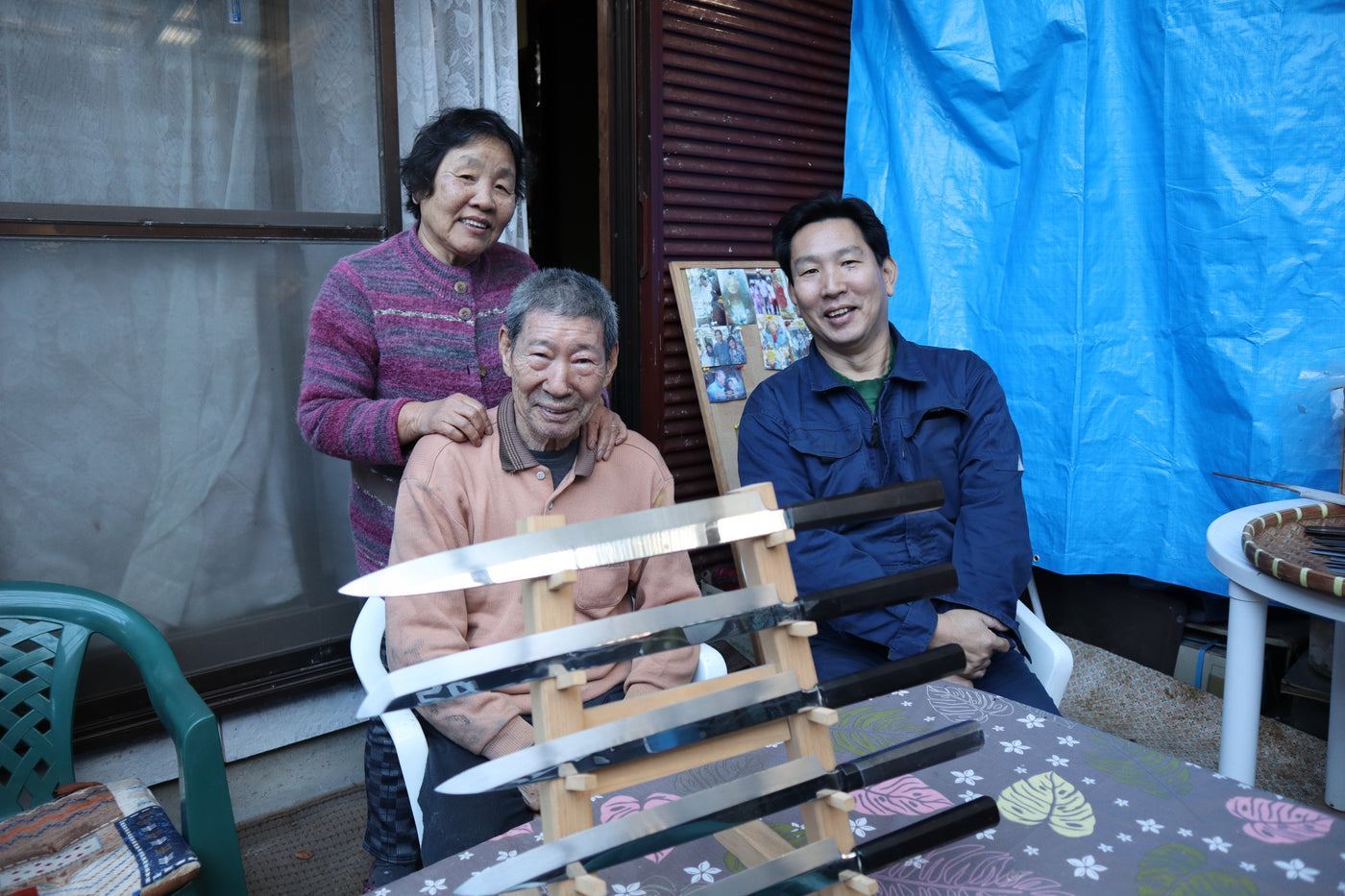
Genkai Masakuni knives are among the most collectible in the industry, representing decades of craftsmanship from a maker who trained in Sakai before establishing his forge on Kabe island near Karatsu. As one of few blacksmiths capable of consistently producing the Mt. Fuji hamon, Mukou Yoneo applies this rare honyaki method specifically to White 2 steel, creating a specialised tool defined by its distinct temper line and traditional manufacturing origin.
- Don't cut hard things! Japanese knives are brittle so bone hacking is a NO NO!
- Wash with neutral detergent after use, and wipe dry;
- Please don't wash knife with dishwasher, it will damage the wood handle;
- Be careful not to leave the knife close to a heat source for a long time;
- It is a lot more dangerous to cut with a blunt knife than a sharp knife!
- It is best to sharpen a Japanese knife regularly on a waterstone.
- Oil the (carbon) knife if storing for an extended period of time to prevent rust.
-
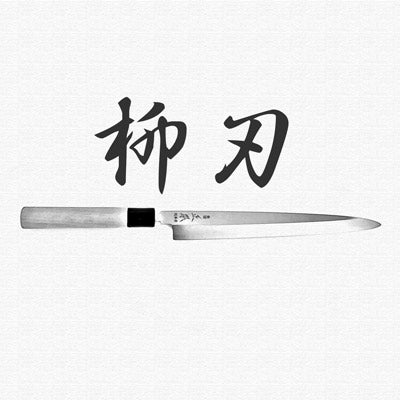
Profile: Yanagiba
Slide for more >>
-
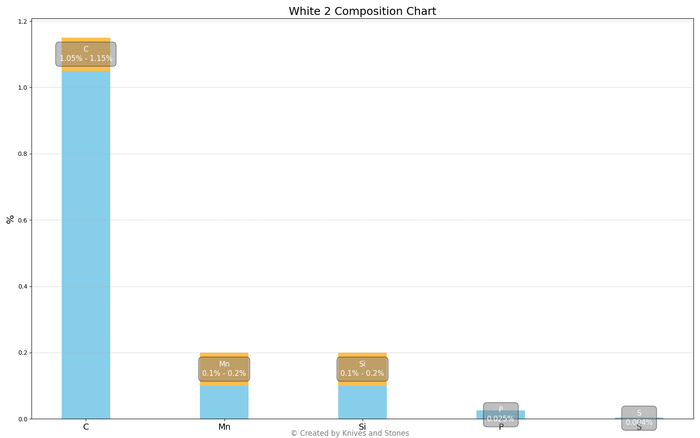
Steel: White 2 / Shirogami #2
Manufacturer:
Nature: Carbon
Hardness: 60- 64
<< Slide for more >>
-

Handle Specs
Profile: Octagonal WA
Material:
<< Slide for more

